

A firearm that is put away dirty does not stay the same. Carbon and powder residue hold moisture, plastic wad fouling builds up in shotgun barrels, and in a Lahore monsoon or a wet morning on the jheel, a thin film of rust can appear on bare steel within days. The right gun cleaning kit makes regular care quick enough that you actually do it, keeping a pistol reliable, a rifle accurate and a shotgun patterning well.
Cleaning gear is calibre-specific, and the choice between solvents, oils and grease confuses many shooters. This guide explains how to match a kit to your calibre or gauge, when a bore snake beats a cleaning rod (and when it does not), what each chemical actually does, and how to clean a pistol, rifle and shotgun step by step. It also covers wet weather, cleaning frequency and safe storage.
In This Guide
- Choosing a kit by calibre and gauge
- Bore snake vs cleaning rod, jags, brushes and patches
- Solvent vs gun oil vs grease: what each one does
- Step-by-step cleaning for a pistol, rifle and 12 bore shotgun
- Cleaning after rain and humidity, frequency and storage
- Frequently asked questions
Safety first: every cleaning session starts the same way. Point the firearm in a safe direction, remove the magazine, open the action, and visually and physically check that the chamber and magazine are empty. Keep ammunition in another room. Always follow your firearm's owner's manual for disassembly, and ask a qualified gunsmith if unsure.
How to Choose a Gun Cleaning Kit by Calibre and Gauge
Brushes, jags, mops and patches must match the bore diameter. The wrong size either fails to scrub or jams. Start with the calibre stamped on your barrel. Packaging often groups calibres with similar bores, such as 9mm with .357/.38.
Pistol Cleaning Kit for 9mm, .38 and .357
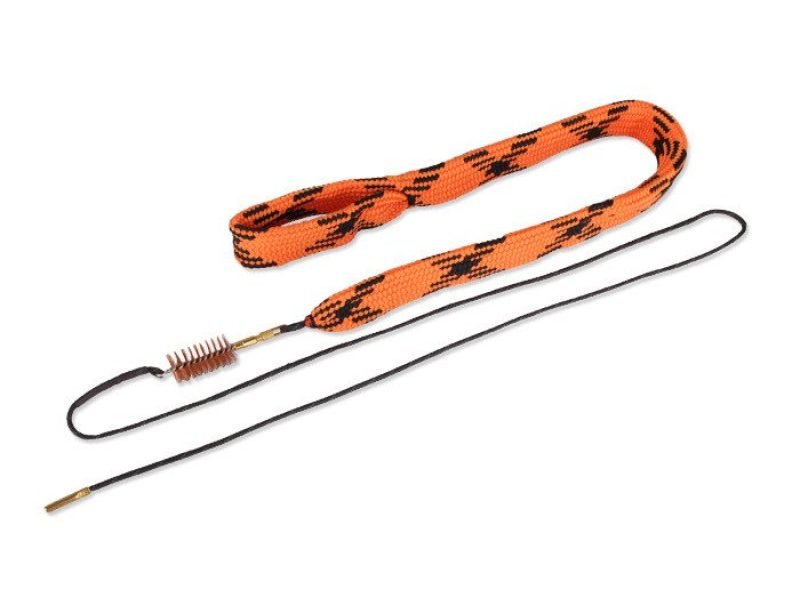
For the most common handgun calibres, a compact pistol cleaning kit is all most owners need. The Deluxe Universal Pistol Gun Cleaning Kit (pocket size, fits .38/.357 and 9mm) comes in a plastic carry box with a handle, an extension brass rod, and wool, bristle and brass brushes, so it fits easily in a range bag. If you prefer a pull-through, the Rotchi Bore Snake for .357/9mm pistols combines a brush section and cleaning rope for a one-pass scrub and wipe.
Spare brushes wear out, so it is worth having a replacement. The Rotchi 9mm stainless steel bore brush (6503-SS) is meant for stubborn fouling. Stainless bristles are aggressive, so save them for heavy build-up and use a softer brush for routine cleaning.

.22, .223 and 5.56 Rifles
The Rotchi Bore Snake for .22/.223/5.56 pairs a bronze brush with a cleaning rope, so you can clean the barrel without assembling a rod. For deeper cleaning with jags and brushes, the Rotchi one-piece carbon fiber cleaning rod has a rotating aluminium handle so the brush follows the rifling, and a 36-inch working length. It comes in a 5mm version with a female 8-32 thread and a 7mm version with a female 5/16-27 thread. Check that your brushes and jags have the matching thread before you buy.

.30-06, .308 and 7.62 Rifles
The same rod-and-brush method applies to .30 calibre rifles. You need a brush and jag sized for .30 calibre, and a rod long enough to pass the full length of the barrel. For the chamber, the Rotchi felt star chamber pads for .22 to .30 calibre reach the chamber and shoulder area that normal patches often miss. They come 50 to a pack; the driving shaft is not included. Unsure what fits? The Just Hunters shop in Gulberg, Lahore, can help you match it.
12 Bore Cleaning Kit for Shotguns
Shotgun barrels are wide and need large brushes, mops and patches. A full 12 bore cleaning kit such as the Rotchi Shotgun Cleaning Kit 12G (6071-12G) includes three 8mm aluminium rods with a large handle, a bronze brush, cotton mop, a bore-snake style rope cleaner, patch holder, patches and a muzzle guard, all in a plastic case. For quick field cleaning, the Rotchi 12G shotgun bore snake uses a bronze brush and cleaning rope to scrub powder and plastic fouling in a single pass. Keep a supply of Rotchi 3-inch square patches for .45 to 12G (300 per pack) for applying solvent and oil.

You can browse the full range of rods, brushes and kits in the gun cleaning kits category. If you also shoot an air rifle, airguns need a gentler routine, which we cover in our airgun cleaning and maintenance guide.
Bore Snake vs Cleaning Rod, Jags, Brushes and Patches
A bore snake is a thick rope with a brush section built in. You drop a weighted cord through the barrel and pull the rope after it, so it brushes and wipes in one pass. A rod kit is the traditional method: you push a brush through with solvent, then push patches through on a jag or patch holder until they come out clean.
| Feature | Bore Snake | Rod, Jag, Brush and Patches |
|---|---|---|
| Speed | Very fast, one or a few pulls | Slower, several passes |
| Best use | Field and range cleaning, quick wipe-down | Thorough cleaning, heavy fouling, storage prep |
| Portability | Pocket or range bag | Needs a case and bench space |
| Heavy carbon, copper or plastic fouling | Limited | Better, with solvent and soak time |
| Risk to the bore | Low, no rod to rub the bore | Low if the rod is clean and a muzzle guard is used |
Most experienced shooters own both. Grit on a dirty rod can scratch the bore, and the muzzle crown is easily damaged. Clean from the chamber end where the design allows, and use a muzzle or bore guard when the kit includes one.
Solvent vs Gun Oil vs Grease: What Each One Does
- Solvent (bore cleaner) breaks down carbon, powder residue, and copper or plastic fouling so the brush and patches can lift it out. It is a cleaner, not a protector. Follow the label and always wipe it out afterwards.
- Gun oil is a light lubricant and rust protector. A thin film keeps moving parts working smoothly and stops moisture reaching bare steel. More is not better: excess oil attracts dust and grit and can run into wooden stocks.
- Grease is thicker and stays where you put it. It suits high-friction sliding parts such as slide rails and bolts, and long-term protection for firearms in storage.
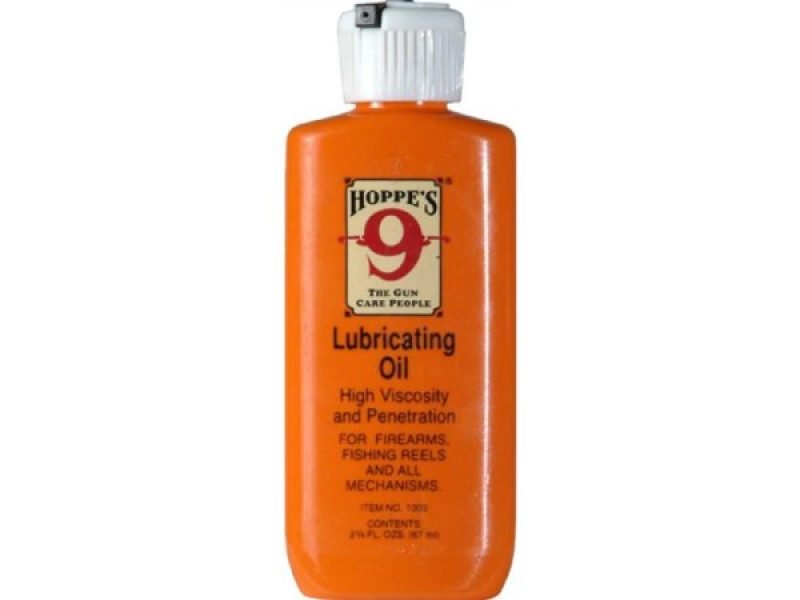
Some products combine roles. VMD 23 lubricant and cleaner oil (200ml aerosol, made in Italy) is designed to clean, lubricate and protect against corrosion, including the corrosive effect of powder residue. For pure lubrication, Hoppe's Lubricating Oil 2.25oz is a high-viscosity oil for actions, triggers and moving parts that will not harden, gum up or expire. For storage and high-wear parts, Hoppe's No. 9 Gun Grease (1-3/4 oz tube) is compounded to protect idle firearms against corrosion. You will find more choices in the lubricants and oils range and the Hoppe's 9 range.
General-purpose sprays are handy for displacing moisture, but a dedicated gun oil is better for lubricating an action. Check your owner's manual, as some makers specify lubricants or warn against oiling certain parts.
Step-by-Step: How to Clean a Pistol, Rifle and 12 Bore Shotgun
These routines are general; your owner's manual always takes priority.
Cleaning a Pistol
- Unload: remove the magazine, lock the slide back (or open the cylinder on a revolver) and check the chamber visually and by touch. Move all ammunition away.
- Field strip only as far as the manual describes, usually slide, barrel, recoil spring and frame.
- Run a solvent-wet patch through the barrel from the chamber end and let it soak for a few minutes.
- Scrub with a calibre-matched brush, several full passes, then push dry patches through until they come out clean.
- Brush carbon from the breech face, feed ramp and slide rails.
- Run one lightly oiled patch through the bore, then a dry one so only a very thin film remains.
- Apply a drop of oil or a light smear of grease to the slide rails and other contact points named in the manual.
- Reassemble, function-check with the gun unloaded and pointed safely, and wipe the outside with a lightly oiled cloth.
Cleaning a Rifle
- Unload, remove the magazine, open the bolt and confirm the chamber is empty. Remove the bolt if your rifle allows.
- Fit a bore guide or muzzle guard if you have one, so the rod stays centred.
- Push a solvent-wet patch through from the chamber end, let it soak, then brush with full strokes, letting the rotating handle follow the rifling.
- Clean the chamber with a chamber brush or felt star pad.
- Patch the bore dry until patches come out clean, then run a lightly oiled patch and a final dry patch.
- Clean the bolt face and lugs, and lubricate only where the manual says.
- Before shooting, check the bore is clear of patches and excess oil.
Cleaning a 12 Bore Shotgun
- Open the action, remove all cartridges from the chamber and magazine tube, and check again.
- Remove the barrel as described in the manual. On a break-action gun, separate the barrels from the action and fore-end.
- If your gun has removable chokes, remove them with the correct key and clean the tubes and threads separately.
- Wet the bore with solvent, scrub with a 12 gauge bronze brush to lift plastic wad and powder fouling, then follow with a mop and patches.
- Clean the chamber and ejectors or extractors, and wipe the action face.
- Leave a light film of oil in the bore and on metal surfaces, lightly grease the choke threads if the maker recommends it, and refit the chokes as the manual directs.
- Keep oil off wooden stocks and away from the head of the stock, where it can soften the wood.
Cleaning After Rain and Humidity
Monsoon humidity, field dew and wetland shoots all put moisture on your gun, and sweat adds salt. After a wet outing, do not leave the gun zipped in a case or gun bag overnight, because the case traps moisture against the metal.
- Unload and confirm the firearm is empty as soon as you are back.
- Dry the outside with a clean cloth, including under the barrels, the action and screw heads.
- Run a dry patch or bore snake through the bore to remove moisture, then clean as normal.
- Apply a moisture-displacing protective oil. Hoppe's Bench Rest 9 Lubricating Oil with Weatherguard is made to drive out moisture while it lubricates, and is suited to wet-weather duck and waterfowl hunting.
- Let the gun and its case dry fully in a ventilated room before storing.
If you are planning a season on the water, our duck hunting gear checklist includes cleaning gear alongside the other essentials.
How Often Should You Clean Your Gun?
- After every outing: at minimum, a quick bore snake pass and a wipe-down of the outside.
- After rain, humidity or a wetland hunt: the same day, as above.
- After heavy use: a full rod, solvent and patch clean once fouling builds up, or when accuracy or reliability starts to fall.
- With older surplus ammunition: some uses corrosive primers, so clean the same day if you are not sure.
- In storage: inspect every few weeks, especially in the monsoon, and refresh the protective oil if you see any spotting.
Storing Your Firearm Safely
Good storage protects both the gun and the people around it. Store firearms unloaded, locked away and out of reach of children, with ammunition stored separately. Before long-term storage, clean thoroughly and apply a protective film. Birchwood Casey Renewalube Firearm Grease displaces moisture, helps prevent corrosion and suits slide rails, bolts and stored firearms. A Rotchi muzzle cap for 12G, 16G, 20G and .50 cal helps keep dust and moisture out of the bore while the gun is in a cabinet or slip.
Foam cases can hold moisture, so avoid long-term storage in them during humid weather. Cases, cabinets and slips are available in our gun storage range, and small accessories are in shooting accessories. Firearm ownership, carrying and hunting in Pakistan are regulated, so keep your licence in order and check with your provincial wildlife department about open seasons, permits and protected species before any hunt. Our hunting season in Pakistan article is a useful starting point.
Frequently Asked Questions
Which gun cleaning kit is best for a 9mm pistol?
Choose a kit or bore snake listed for 9mm, which usually also covers .38 and .357 because the bore sizes are close. A compact kit with a short rod, brass or bronze brush, mop and patches handles full cleaning at home, while a 9mm/.357 bore snake suits quick range cleaning. Add a light gun oil for the slide rails.
Is a bore snake as good as a cleaning rod?
A bore snake is faster and very convenient for routine cleaning after a session, and there is no rod to rub against the bore. However, it is less effective against heavy carbon, copper or plastic fouling. For a deep clean, a rod with a calibre-matched brush, solvent and patches does a more thorough job. Many shooters use a bore snake in the field and a rod kit at home.
What is the difference between gun oil and gun grease?
Gun oil is a thin lubricant that spreads into small gaps, keeps actions and triggers moving smoothly and leaves a light protective film against rust. Grease is much thicker and stays in place, so it suits high-friction sliding surfaces such as slide rails and bolts, and long-term storage protection. Use both sparingly and follow your owner's manual on where each should be applied.
How do I clean a 12 bore shotgun after shooting?
First unload and check that the chamber and magazine are empty. Remove the barrel as the manual describes, wet the bore with solvent, then scrub with a 12 gauge bronze brush to lift plastic wad and powder fouling. Follow with a mop and dry patches, clean removable chokes separately, then leave a light film of oil on the bore and metal. Keep oil away from wooden stocks.
How often should I clean my gun in humid weather?
In humid conditions, clean and oil your gun after every outing rather than waiting for fouling to build up. After rain or a wetland hunt, dry it the same day, run a patch through the bore and apply a moisture-displacing oil. Firearms in storage should be inspected every few weeks during the monsoon, with the protective oil refreshed if you notice any spotting or discolouration.
Can I use an airgun cleaning kit on a firearm?
Only if the parts are sized for your firearm's calibre and the kit is listed for it. Many airgun kits cover only .177 and .22, which will not fit common firearm calibres such as 9mm or 12 gauge. Firearms also need solvents that deal with powder fouling, whereas airguns need a gentler routine. Match brushes, jags and patches to the calibre stamped on your barrel.
Conclusion
The right gun cleaning kit, a suitable solvent, a light gun oil and a little grease are all you need to keep a pistol, rifle or 12 bore shotgun reliable for years. Unload and check first, follow your owner's manual, clean promptly after wet weather and store your firearm dry and secure. Just Hunters in Gulberg, Lahore, can help you match cleaning gear to your calibre, and you can also order online with cash on delivery across Pakistan.