
You have your first bow, the limbs are on, and the string is ready. Then you realise a bow on its own does not shoot. The right archery accessories decide whether your first weeks are safe and fun or end in sore fingers, a bruised forearm and arrows lost in the grass. Buying them in the right order also saves money.
This guide goes through the archery equipment that Pakistani beginners and club archers actually use. We cover how to pick archery arrows by material, spine and length, what nocks, vanes and points do, why a finger tab and arm guard come first, and which tools (fletching jigs, string wax, stabilisers) can wait until your form settles.
If you are still choosing the bow itself, start with our recurve bow collection and come back here to build the kit around it.
In This Guide
- Archery arrows: material, spine, length and parts
- Finger tabs, arm guards and other protection
- Arrow rests, bow stringers and string care
- Archery targets and target faces
- Bow cases and carrying gear
- Later upgrades: fletching jigs, stabilisers and tuning tools
- Beginner vs later comparison table and a first-kit checklist
- Frequently asked questions
Why Archery Accessories Matter as Much as the Bow
Everything that touches the shot affects where the arrow lands: its stiffness, how it sits on the rest, how cleanly your fingers leave the string and whether your bow arm stays clear. Good archery accessories remove the problems that stop beginners improving, such as string slap, sore fingers and arrows that fly sideways. They also keep you safe: arrows too short or weak for your bow can break or fall off the rest at full draw.
Archery Arrows: The Most Important Accessory
Arrows are the one item you will keep buying. They get lost and broken, and as your draw weight rises you will need stiffer shafts.
Arrow Materials: Wood, Fiberglass and Carbon
Wooden arrows suit traditional bows and the look of classic archery, but each shaft varies slightly in weight and stiffness. Fiberglass arrows are tough, affordable and forgiving, which is why they are common with youth bows and beginner ranges. The Junxing JX028F 28 inch fiberglass arrows are a good example: a pack of 6 fiberglass shafts with a 6.8mm diameter, made for junior bows and target practice.
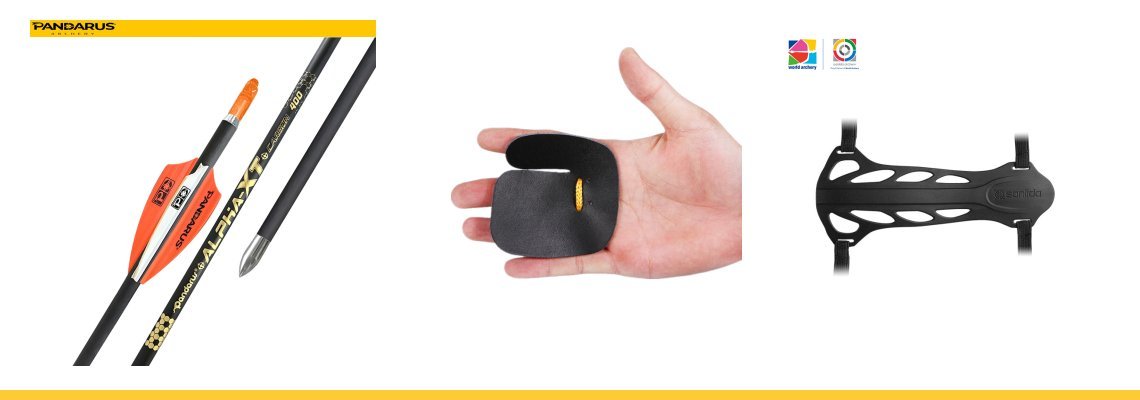
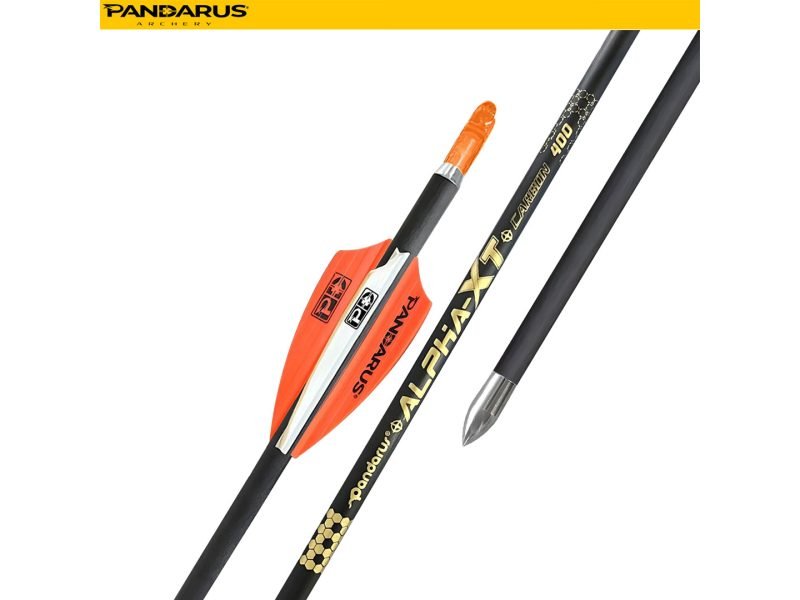
Carbon arrows are lighter, straighter and more consistent, and they are what most adult recurve and compound archers move to. The Pandarus Alpha XT carbon arrows come pre-fletched, ready to shoot, in packs of 12. They use a 4.2 mm micro-diameter shaft with a straightness of ± .006" and a spine range from 350 to 1000, which covers most beginner and intermediate draw weights. For serious club and tournament work, the Pandarus Champion arrows use 30T carbon with a straightness of ± .001" and arrive unfletched at full length so you can cut, fletch and tune them yourself.
Arrow Spine Explained
Spine is how much an arrow bends. On carbon arrows it is shown as a number such as 500 or 700: the lower the number, the stiffer the arrow. A heavier draw weight pushes harder on the arrow, so it needs a stiffer (lower number) spine. An arrow that is too weak or too stiff for your bow will not fly straight, no matter how good your form is.
Manufacturers publish spine charts that match draw weight and arrow length to a spine. Because the Alpha XT is sold in spines from 350 to 1000, tell the shop your bow's draw weight at your draw length and your arrow length when ordering. A coach or the staff at our Gulberg shop can help you read the chart.
Arrow Length and Draw Length
Your arrow must be long enough that the point stays in front of the arrow rest at full draw. A common, safe approach for beginners is to measure your draw length and choose arrows a little longer than that. An arrow that is too short can be drawn off the rest and into your bow hand, which is dangerous. Pre-fletched arrows such as the Alpha XT are 30" long in every spine listed, while the Champion shafts are 32" uncut, which gives room to trim later.
Nocks, Fletching and Points
Every arrow has three working parts besides the shaft:
- Nock: the plastic slot at the back that clips onto the string. Cracked nocks are a common cause of fliers and are a safety risk, so keep spares. The Sanlida 10 target arrow nocks come in a 12-piece pack in green, in S and L sizes to suit different shafts.
- Fletching (vanes or feathers): these steer and stabilise the arrow in flight. Most target arrows use plastic or rubber vanes. The Sanlida X10 1.75" rubber vanes come 50 to a pack in white, red, yellow and blue, so you can mark a different-coloured cock vane.
- Point: target points are designed to go into foam or straw bosses and pull out cleanly. Point weight affects arrow flight, so spine charts list a recommended tip weight. Broadheads are hunting points and are not used on target ranges.
Finger Tab and Shooting Gloves: Protect Your Drawing Hand
Drawing a recurve with bare fingers soon becomes painful, and a sore hand causes a jerky release. A finger tab is a flat piece of leather (sometimes with a metal plate) that sits between your fingers and the string. It protects the skin and gives a smooth, repeatable surface for the string to roll off. Shooting gloves do the same job and suit traditional archers, but most recurve archers prefer a tab.
For a first tab, the Sanlida X7 target finger tab is a simple leather tab aimed at newcomers. If you want something more adjustable later, the Sanlida X9 finger tab adds a finger spacer and comes in S, M and L sizes for right-handed archers, so you can match it to your hand.

The tab should cover the pads of your three drawing fingers without hanging far past the fingertips. Leather beds in after a few weeks, so slight stiffness at first is normal.
Arm Guard: Stop String Slap Before It Starts
Almost every new archer gets hit on the inside of the bow arm at least once. The string snaps forward on release and can leave a painful bruise if your elbow is rolled in. An arm guard takes that hit for you while you learn the correct bow-arm position.
The Sanlida X10 recurve arm guard is a lightweight plastic guard with an arc-shaped edge that follows the forearm and an adjustable elastic strap. For training sessions and very new archers, Sanlida also makes a full-arm training guard that covers the whole arm rather than only the forearm. Also avoid loose sleeves, which the string can catch.

Arrow Rest, Bow Stringer and String Care
Arrow Rest
The arrow rest holds the arrow against the riser while you draw. Rests wear out or fall off. The Sanlida beginner magnetic arrow rest is made for recurve bows and is a cheap, easy replacement worth keeping in your bag.
Bow Stringer
A recurve should be unstrung after each session to rest the limbs, and it must be strung safely. Stringing by hand or with the "step-through" method can twist the limbs and risks injury if the string slips. A Sanlida bow stringer lets you flex the limbs evenly and slide the string loops into place under control. Treat it as essential, not optional.
String Wax
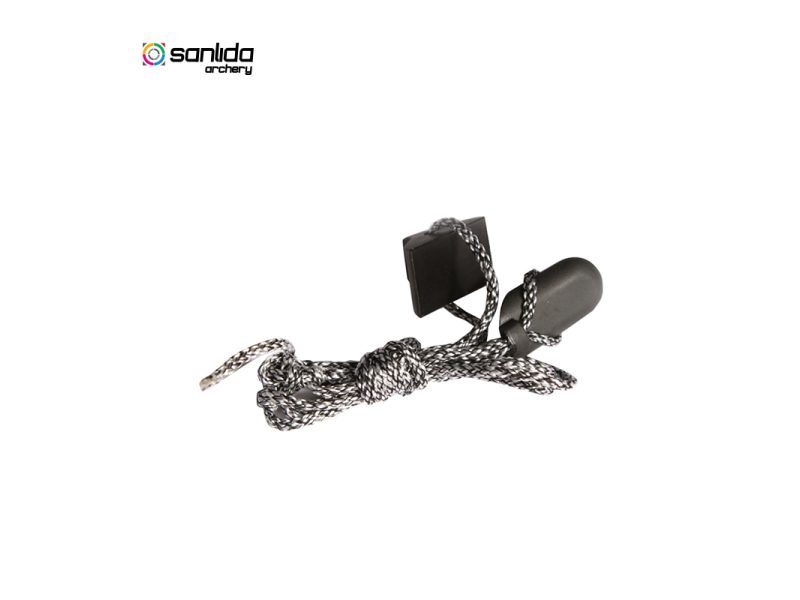
Bowstrings are made of many fine strands. A light coat of wax keeps them bound together and helps stop fraying. Sanlida string wax comes in a small 7 g size that fits in a quiver pocket, and it suits traditional, recurve and compound strings. Rub a little along the strands, avoiding the centre serving, every few sessions.
Archery Targets and Target Faces
An archery target has two parts: the boss (the foam, straw or layered block that stops the arrow) and the face (the printed rings you aim at). The boss must be rated for your bow; a weak target lets arrows pass through, and anything hard behind it will damage points. Always set up with a safe backstop and a clear zone behind and around the target.
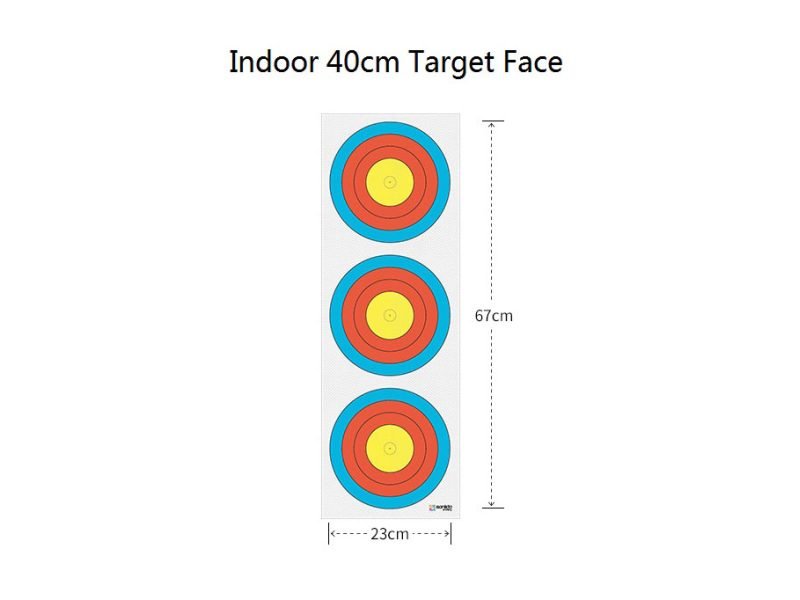
Paper faces tear quickly and go soft in dew or rain. Polyester faces last much longer. The Sanlida X10 waterproof target faces come five to a pack with a 40 cm vertical triple layout for indoor-style practice, which also helps you avoid hitting your own arrows. Sanlida also offers a 6-ring polyester face for larger practice targets. Browse more options in our archery accessories category.
Quivers, Bow Cases and Carrying Gear
A quiver keeps your arrows at your hip, fletching clean and points down; a hip quiver with a small pocket for spare nocks, wax and your tab is the most practical choice at the range.
For transport, a take-down recurve should travel in a padded case or bag so the riser and limbs do not knock together. The Sanlida X8 beginner recurve backpack is a nylon bag measuring 67 x 30 x 14 cm with a large front pocket and a roomy main compartment for a take-down bow and accessories.
Later Upgrades: Fletching Jigs, Stabilisers and Tuning Tools
Fletching Jig
Damaged vanes are the most common arrow repair. A Sanlida fletching jig holds the shaft and vane steady while the glue sets, so each vane goes on in the same position. It is also how you finish unfletched shafts such as the Champion.
Stabilisers
Stabilisers add weight away from the riser to reduce bow movement and torque at release. The Sanlida X9 full-carbon side rod comes in 10" and 11" lengths with an 18 mm diameter for archers completing that system. Beginners do not need them in their first months.
Sights, Clickers and Bow Squares
A sight, a clicker for draw-length consistency and a bow square for setting brace height and nocking point are the next steps for archers heading towards club competition. Our more advanced packages, such as the Sanlida Miracle 10 Olympic recurve kit, already include a target sight and stabilisers. All of these are listed under Sanlida Archery.
Archery Equipment in Pakistan: Beginner Kit vs Later Upgrades
Use this table to plan your spending.
| Accessory | What it does | When to buy | Example from our range |
|---|---|---|---|
| Arrows (fiberglass or carbon) | Matched to your draw weight and length | Day one | Junxing JX028F (junior), Pandarus Alpha XT |
| Finger tab | Protects fingers, cleaner release | Day one | Sanlida X7 finger tab |
| Arm guard | Prevents string slap bruises | Day one | Sanlida X10 arm guard |
| Bow stringer | Safe stringing and unstringing | Day one | Sanlida bow stringer |
| Target and faces | Safe, visible aiming point | Day one | Sanlida X10 polyester faces |
| Spare nocks and arrow rest | Quick field repairs | First month | Sanlida nocks, magnetic rest |
| String wax | Extends string life | First month | Sanlida string wax 7 g |
| Bow bag or case | Protects bow in transport | First month | Sanlida X8 recurve backpack |
| Vanes and fletching jig | Repair and build arrows | Later | Sanlida jig, X10 vanes |
| Stabilisers and sight | Steadier aim for competition | Later | Sanlida X9 side rod |
Your First Archery Kit Checklist
Follow these steps in order before your first proper session:
- Confirm your bow's draw weight and measure your draw length (a coach or shop can help).
- Choose arrows of the right spine and a length slightly longer than your draw; buy at least 6, ideally 12.
- Get a finger tab that fits your hand and an arm guard for your bow arm.
- Use a bow stringer every time you string or unstring the bow.
- Check the arrow rest is fitted and every nock is uncracked and snapped fully onto the string.
- Set up a target boss rated for your bow, with a safe backstop and nobody downrange.
- Pin on a durable target face and start close, around 10 metres, before moving back.
- After shooting, inspect arrows for cracks, unstring the bow and wax the string every few sessions.
Safety first: never dry-fire a bow (releasing the string without an arrow), never shoot a cracked arrow, and never shoot where you cannot see a safe backstop. If you plan to use a bow for hunting, check the rules with your provincial wildlife department first, as hunting in Pakistan is regulated by licence, season and species.
To learn more about the sport's long history here, read our article on archery in Pakistan, its heritage and modern revival. For another backyard aiming sport, see our slingshot guide for beginners, and our overview of hunting in Pakistan covers the wider rules.
Frequently Asked Questions
What archery accessories does a beginner need first?
A beginner needs correctly spined arrows, a finger tab, an arm guard, a bow stringer and a proper target with a face. These cover safety, comfort and basic accuracy. Spare nocks, an arrow rest, string wax and a bow bag come next. Fletching jigs, stabilisers and sights can wait until your form is consistent and you start shooting regularly at a club or range.
How do I choose the right arrow spine for my bow?
Find your bow's draw weight at your own draw length, decide your arrow length, then read the arrow maker's spine chart. On carbon arrows a lower spine number means a stiffer shaft, which suits heavier draw weights and longer arrows. If you are unsure, give these details to a coach or the shop when ordering so the correct spine can be matched.
Are fiberglass or carbon arrows better for beginners?
Fiberglass arrows are tough and affordable, which makes them a sensible choice for children, youth bows and group sessions where arrows get misused. Carbon arrows are lighter, straighter and more consistent, so adult beginners who plan to keep shooting usually benefit from starting with an entry-level carbon arrow such as a pre-fletched set matched to their bow.
Do I need a finger tab or a shooting glove for a recurve bow?
Either protects your fingers, but most recurve target archers use a finger tab because it gives a smoother, more consistent release from one flat surface. Gloves are common with traditional bows. Shooting with bare fingers quickly becomes painful and leads to a poor release, so use one or the other from your first session onwards.
Why does the bowstring hit my arm, and does an arm guard help?
The string usually hits the forearm when the bow elbow is rolled inward or the bow is gripped too tightly. An arm guard protects you from bruises while you work on rotating the elbow out and relaxing your grip. A coach can quickly correct the position, but the guard is still worth wearing as protection against loose clothing catching the string.
Where can I buy archery equipment in Pakistan?
Just Hunters stocks archery equipment including arrows, finger tabs, arm guards, target faces, bow stringers, string wax and recurve bow kits from brands such as Sanlida Archery and Pandarus. You can visit the shop in Gulberg, Lahore, or order online with cash on delivery to cities across Pakistan, and staff can help match arrows to your bow.
Conclusion
The right archery accessories make the difference between a frustrating start and steady progress. Begin with matched arrows, a finger tab, an arm guard, a bow stringer and a durable target, then add nocks, wax, a bow bag and later tuning gear as your shooting grows. Explore our full archery range and arrows, or visit Just Hunters in Gulberg, Lahore, for help putting your first kit together.