

The right camping gear can decide whether your night under the stars in Pakistan is the highlight of the trip or a long, shivering wait for sunrise. A summer night in Naran can feel like Lahore in December, and a winter night in Cholistan turns cold after a hot afternoon, so one packing list does not fit every place.
This guide builds a practical camping checklist around where and when you are going. We cover shelter, the sleep system, lighting, cooking and gas safety, water, clothing layers, navigation, first aid and how to camp in a way that respects the land and the people who live there. At the end you will find a printable checklist table you can tick off before you leave home.
In This Guide
- Planning camping in Pakistan by destination and season
- Shelter: choosing a camping tent
- Sleep system: sleeping bags and mats
- Lighting: camping lantern, headlamp and torch
- Cooking, stoves and gas canister safety
- Water, clothing layers, navigation and first aid
- Leave no trace and respecting local communities
- Printable camping gear checklist table
- Frequently asked questions
Planning Camping in Pakistan by Destination and Season
Start with two questions: how cold will the night get, and what is the main hazard of the place? Your camping gear list follows from the answers.
Northern Areas: Naran, Kaghan, Fairy Meadows and Hunza
Even in June and July, nights at higher camps can drop close to freezing, and the weather can turn from sunshine to rain or hail within an hour. For these trips, prioritise a warm sleeping bag, an insulated mat, a waterproof double-wall tent and proper warm layers including a hat and gloves. Landslides can close roads, so pack spare food.
Desert Camps: Thar and Cholistan
Desert camping is best planned for the cooler months. Days can still be bright and hot, but nights can be cold, and the big swing between the two catches people out. Wind and fine sand get into everything, so use zipped bags and sealed containers. Water is the critical item, since you may not find any for long distances.
Riverside and Lakeside Camps
Riverside camps, from the Kunhar to the streams of Swat, are popular with anglers. The main rule is height: pitch well above the water line and away from dry channels, because water levels can rise after rain upstream, and glacier-fed rivers often run higher in the afternoon and evening as snowmelt increases. If you plan to fish, our guide to fishing in Pakistan covers the waters worth exploring.
Shelter: Choosing the Right Camping Tent
Three factors matter more than brand or colour.
Capacity
Capacity ratings assume people lying shoulder to shoulder, so size up by one: two people are far more comfortable in a three-person tent with packs inside.
Single-Wall vs Double-Wall
A double-wall tent has a breathable inner tent plus a separate waterproof flysheet. The gap between the two layers reduces condensation dripping on you overnight and gives you a porch for boots and cooking gear. For cold, damp mountain nights, a double-wall design is the safer choice.
Waterproofing and Pitching
Waterproofing is often described as a hydrostatic head figure in millimetres; a higher number generally means the fabric resists water better. Taped seams, a flysheet that reaches close to the ground and a groundsheet that does not stick out beyond the fly (which would channel rain underneath) all make a real difference. Carry spare pegs and pitch with the narrow end into the wind.
Sleep System: Sleeping Bags and Mats
Most cold at night comes from the ground, so treat bag and mat as one system.
Sleeping Bag Temperature Ratings Explained
Many sleeping bags list several temperatures. The comfort rating is the temperature at which a typical sleeper should feel comfortable in a relaxed position. The limit rating is the lowest temperature at which a sleeper curled up can expect to stay warm enough to sleep. The extreme figure is a survival number only and should never be used for planning. Choose a bag whose comfort rating is at or below the coldest night you expect, and remember that some cheaper bags print optimistic figures.
Sleeping Mats
A mat insulates you from the ground. Foam mats cannot puncture; inflatable mats pack smaller but need a repair kit. Some mats list an R-value, which measures insulation: the higher the number, the better it blocks ground cold. For mountain camps, use a higher-insulation mat or a foam mat under an inflatable one.
Lighting: Camping Lantern, Headlamp and Torch
The best setup uses three lights: a lantern for the tent or cooking area, a headlamp for hands-free tasks, and a torch for looking further out.

Choosing a Camping Lantern
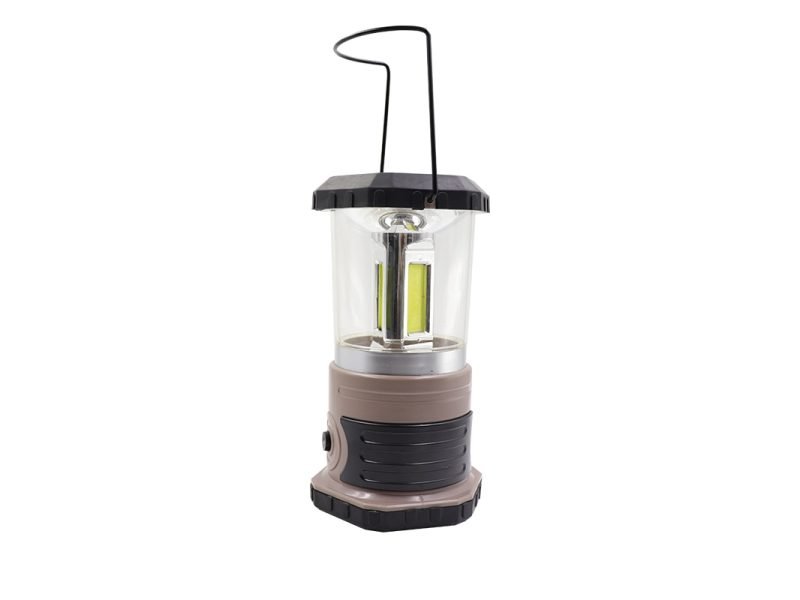
A camping lantern spreads light in all directions, so it lights a whole tent or cooking area without glare. For longer trips where charging is limited, the Nitecore LR70 3-in-1 camping lantern combines a 400 lumen lantern, a 3,000 lumen flashlight and a power bank with up to 18W output, running on two built-in 21700 batteries and rated IP67. If you prefer replaceable batteries, the 1000 lumen LED lantern with built-in compass runs on 4 x D batteries, offers four modes including a night light, and can hang from its top handle or base hook. For a small, light option, the YL-207 3 W COB camping lantern gives 360-degree light from 3 x AAA batteries and weighs 280 g.
Headlamps and Torches
A headlamp is the most useful light at camp because cooking and pitching need two free hands. The Nitecore NU20 headlamp weighs 1.66 oz, reaches 360 lumens on turbo, runs up to 100 hours on its 1 lumen low mode and is IPX7 waterproof. For riverside camps, the Tecxus Sharxx floating flashlight is rated IP67 and floats if dropped in water. If you want a longer-range torch for scanning the campsite edge, read our guide on how to choose a tactical flashlight, or browse the full range of camping lights.
Cold reduces battery performance, so keep spares inside your sleeping bag on mountain nights.

Cooking, Stoves and Gas Canister Safety
Small canister stoves are light and fast; two-burner stoves suit vehicle camping and families. Bring a pot with a lid (lids save fuel), a cup and spoon per person, a lighter plus a backup, and a rubbish bag.
For tea, the enamel coated camping kettle comes in 1.1 L and 1.7 L sizes; do not heat it empty, and remember its handle gets hot. Riverside anglers can cook their catch over coals in the fish BBQ grill basket, which holds up to three fish. You will find more cookware in our camp cooking and dining section.
Gas Canister Safety
- Connect and disconnect canisters outdoors, away from any flame, and check for the smell or hiss of a leak before lighting.
- Use the stove on flat, stable ground, sheltered from wind but with open air around it.
- Never leave canisters in direct sun or a hot car; heat raises the pressure inside.
- Never leave a lit stove unattended.
- Carry empty canisters home; never burn or bury them.
Never cook, burn charcoal or run a gas heater inside a closed tent. These produce carbon monoxide, a gas you cannot see or smell, which can cause drowsiness, unconsciousness and death in an enclosed space. Tents are also highly flammable. Cook in the open or well outside the porch, and warm up with clothing and a good sleeping bag instead.
Fire Starting
Matches get wet and lighters can fail in cold, so carry a backup. The survival fire starter flint with compass has a magnesium rod in a waterproof housing, plus a whistle on a neck cord. The bottle-shaped flint fire starter needs no oil or gas and slips into a pocket. Light fires only where allowed and put them out completely with water.

Water: Carrying, Treating and Staying Hydrated
Northern streams look clean but may be contaminated upstream. Boil water, use a filter, or use purification tablets as directed before drinking. In the desert, carry all the water you need plus a reserve. For sipping on the move, the 3L hydration backpack holds a 2.5-3 L bladder with a drinking hose and is made of Oxford and nylon fabric.

Clothing Layers for Hot Days and Cold Nights
Layering handles big temperature swings without bulky clothes:
- Base layer: moisture-wicking synthetic or wool next to the skin. Avoid cotton for cold or wet trips, as it stays damp and chills you.
- Mid layer: fleece or a light insulated jacket for warmth.
- Outer layer: a waterproof, windproof shell for rain, hail and wind.
Add a warm hat, gloves, sleeping socks, sturdy footwear, sun protection and dry spare clothes in a waterproof bag. In dusty desert camps or on jeep tracks, the Olight bandana multipurpose scarf can be worn as a face scarf, headband or balaclava against sun, dust or cold wind. See our outdoor clothing guide for Pakistan's terrain for more.
Navigation, Tools and Packing
Mobile signal disappears in many valleys. Download offline maps, know how to use a basic compass, and tell family your route and when to raise the alarm if you have not called.
For repairs, the Gerber 11 in 1 multifunctional tool combines pliers, a knife, saw, file, screwdrivers and openers, and comes with a nylon sheath. For carrying, the Jungleland camo backpack is made of water-resistant 600D nylon with metal zippers. See more options under backpacks and bags.
First Aid and Emergency Kit
Medical help can be hours away in the mountains and the desert. A basic first aid kit should include plasters, sterile dressings, bandages, antiseptic, blister care, tweezers, pain relief, oral rehydration salts, any personal medicines and a printed note of allergies or conditions. Learn the early signs of altitude sickness (headache, nausea, dizziness, unusual tiredness) and of hypothermia (shivering, confusion, clumsiness); the safest response to worsening altitude symptoms is to go down. Explore our safety and survival range for emergency essentials.
Leave No Trace and Respecting Local Communities
Carry out all rubbish, including food scraps and empty gas canisters. Use toilets where they exist; otherwise go well away from water and bury waste. Do not wash dishes or use soap directly in streams. Never cut live trees.
Much of the land in the north and the desert belongs to villages or families. Ask permission before pitching on fields or near homes, dress modestly, and always ask before photographing people, especially women. Buying food or hiring guides and porters locally supports the communities who make these places welcoming.
Printable Camping Gear Checklist for Pakistan
Use this camping checklist table before every trip. The columns show which items matter most for each type of camp (Essential, Recommended or Optional).
| Item | Northern Areas | Desert (Thar/Cholistan) | Riverside | Packed |
|---|---|---|---|---|
| Double-wall camping tent, pegs, guy lines | Essential | Essential | Essential | [ ] |
| Sleeping bag (comfort rating below coldest night) | Essential | Essential | Essential | [ ] |
| Insulated sleeping mat | Essential | Recommended | Essential | [ ] |
| Camping lantern | Essential | Essential | Essential | [ ] |
| Headlamp plus spare batteries or power bank | Essential | Essential | Essential | [ ] |
| Stove, gas canister, lighter and backup fire starter | Essential | Essential | Essential | [ ] |
| Pot, kettle, cups, utensils, rubbish bags | Essential | Essential | Essential | [ ] |
| Water bottles or hydration pack | Essential | Essential (extra capacity) | Essential | [ ] |
| Water treatment (filter, tablets or boiling) | Essential | Recommended | Essential | [ ] |
| Base, mid and waterproof outer layers | Essential | Recommended | Recommended | [ ] |
| Warm hat, gloves and sleeping socks | Essential | Recommended | Recommended | [ ] |
| Sun hat, sunglasses, sunscreen | Essential | Essential | Recommended | [ ] |
| Dust scarf or bandana | Optional | Essential | Optional | [ ] |
| Offline maps, compass, route shared with family | Essential | Essential | Recommended | [ ] |
| First aid kit and personal medicines | Essential | Essential | Essential | [ ] |
| Multitool, repair tape, spare cord | Recommended | Recommended | Recommended | [ ] |
| Insect repellent | Optional | Recommended | Essential | [ ] |
| Spare food for 1-2 days | Essential | Recommended | Optional | [ ] |
Pre-Trip Steps
- Check the weather forecast and road conditions for your destination a day before leaving.
- Pitch your tent at home and confirm all poles, pegs and zips are working.
- Charge lights, power banks and phones; pack spare batteries.
- Test your stove outdoors and check the canister connection for leaks.
- Share your route and return time with someone at home.
- On arrival, pitch above the water line, away from loose slopes, and ask locals if the spot is suitable.
Frequently Asked Questions
What camping gear do I need for Fairy Meadows or Hunza?
For high mountain camps, pack a waterproof double-wall tent, a sleeping bag with a comfort rating near or below freezing, an insulated mat, layered clothing with a waterproof shell, a warm hat and gloves, a headlamp, a camping lantern, a stove with fuel, water treatment and a first aid kit. Nights can be cold even in summer, and weather changes quickly, so bring a spare day of food as well.
Which camping lantern is best for camping in Pakistan?
The best camping lantern depends on how you will charge it. Rechargeable lanterns with a power bank function suit trips where you can top up from a car or solar panel, while lanterns running on standard AA, AAA or D batteries are easier to keep going on long trips without electricity. Look for 360-degree light, a low mode for long runtime, a hanging hook and water resistance.
How do I choose the right sleeping bag temperature rating?
Find out the coldest night temperature you expect at your campsite, then choose a bag whose comfort rating is at or below that figure. The limit rating is the lowest temperature for a curled-up sleeper, and the extreme rating is only a survival figure. If you tend to sleep cold, choose a warmer bag, use an insulated mat and wear a warm hat and dry socks.
Is it safe to cook inside a tent?
No. Cooking, burning charcoal or running a gas heater inside a closed tent can lead to carbon monoxide poisoning, which can be fatal because the gas has no colour or smell. Stoves also create a serious fire risk, since tent fabric burns quickly. Always cook in the open air, away from the tent, and stay warm with layered clothing and a properly rated sleeping bag instead.
What should I pack for a desert camp in Thar or Cholistan?
Bring more water than you think you need, sun protection, a dust scarf, a sturdy tent with good pegs for sand and wind, a sleeping bag for cold nights, a camping lantern and headlamp, and sealed containers for food. Shake out boots and bedding before use, keep the tent zipped, and ask local hosts about the safest places to camp.
Where can I buy camping gear in Pakistan?
Just Hunters stocks camping lights, cooking gear, hydration packs, fire starters, multitools and survival essentials. You can visit the shop in Gulberg, Lahore, or order online with cash on delivery across Pakistan. Wherever you buy, compare battery type, waterproof rating and weight against your destination and season.
Conclusion
Good camping gear for Pakistan is less about buying the most and more about matching your kit to the destination and season: warmth and waterproofing for the north, water and sun protection for the desert, and safe pitching for riverside camps. Use the checklist above, never cook inside your tent, and leave every site cleaner than you found it. Browse the camping collection at Just Hunters, online or at our Lahore shop, when you are ready to fill the gaps in your kit.