
Ask any experienced shikari in Punjab what spoils a morning hunt and you will hear the same answers: birds that flare because they saw you, cold hands at dawn, wet feet by nine o'clock and a shirt soaked in sweat by noon. Almost all of these come down to clothing. You do not need an expensive wardrobe. You need the right colours for the ground you hunt, layers you can add and remove, and boots that suit the terrain.
This guide explains how camouflage actually works, how to dress for Pakistan's cold winter mornings and warm afternoons, and what to wear for wetlands, crop fields, hills and desert.
In this guide
- Why camouflage works, and which patterns suit which terrain
- Layering for cold mornings and hot afternoons
- Fabrics: cotton, polyester blends, fleece and waterproof shells
- Fit, movement, vests and pockets for upland and dove hunting
- Caps, gloves, face cover, socks and boots
- Duck and wetland clothing, blaze orange and safety
- Scent control, washing, care and storage
- A seasonal packing checklist and FAQ
Why Camouflage Works
Birds and animals rarely recognise a hunter by detail. They notice three things: outline, movement and contrast. A solid human shape, especially the smooth line of the head and shoulders, stands out against grass and reeds. A pale face or a light shirt shines against a dark background. Camouflage does two jobs:
- Breaking up your outline. Large irregular shapes and mixed light and dark patches stop the eye from seeing one solid body.
- Matching the environment. The colours and overall brightness should be close to the background. A dark woodland pattern in a pale stubble field can stand out more than plain khaki.
Remember that camouflage only helps if you keep still. Most birds are flared by a head lifting or a hand moving, not by the wrong pattern. Use cover, sit in shadow, and keep your face down until it is time to shoot.
Choosing a pattern for the terrain
Overall colour and brightness matter more than the brand of pattern:
| Terrain | Typical examples in Pakistan | What works best |
|---|---|---|
| Wetlands and reeds | Punjab jheels and canal-side marshes, Sindh lakes and rice-belt wetlands | Dark browns, dead-reed and timber patterns, drab greens; ghillie or leafy material in hides |
| Crops and open plains | Wheat, sugarcane and stubble fields in central Punjab; the cotton belt | Tan, khaki and light brush patterns; earthy greens in green crops |
| Forests and hills | Salt Range, Potohar scrub, northern hills | Tree and branch patterns with mixed greens and browns; darker tones in winter shade |
| Desert and dry scrub | Thal, Cholistan, Balochistan desert and rocky hills | Sand, tan and pale grey-brown; avoid dark green woodland patterns |
If you hunt mostly in one kind of ground, buy for that ground first. A versatile tree-and-brush pattern such as Realtree Edge or Mossy Oak Break-Up Country works reasonably well across Punjab's mixed scrub and field edges, while a dark timber pattern is best kept for reeds and shade.
Layering for Cold Mornings and Hot Afternoons
A typical winter hunt in Punjab or Sindh can start close to freezing before sunrise and end in strong sun. One thick jacket cannot handle that. Layers can.
Base layer: manage sweat
The layer against your skin should move sweat away rather than hold it. Polyester and poly-cotton blends do this better than pure cotton. A good example is the RedHead TrueTimber MC2 long-sleeve shirt, a fast-drying, moisture-wicking 100% polyester top with SCENTINEL scent control that can work as a base layer in cool weather or as the outer shirt on hot days. For a softer feel, the Mossy Oak Break-Up Country long sleeve camo tee uses a 60% cotton, 40% polyester fabric with a moisture-wicking treatment and long sleeves for coverage.
Mid layer: trap warmth
Fleece and insulated vests are ideal mid layers because they are warm for their weight and keep insulating even when slightly damp. A vest keeps your core warm while leaving your arms free to mount a gun. For the legs on cold days, the Browning Realtree fleece hunting trouser is a lightweight, quick-drying fleece trouser made for cooler seasons.
Outer layer: block wind and water
The outer shell protects you from wind, drizzle and wet reeds. In dry upland conditions, a tough brush-resistant layer matters more than full waterproofing. Around water, a waterproof, breathable jacket is worth it. As the sun climbs, take off the outer layer first, then the mid layer, so you never start sweating heavily.
| Time / season | Base | Mid | Outer |
|---|---|---|---|
| Dec-Jan dawn (Punjab, Sindh) | Long-sleeve wicking shirt | Fleece or insulated vest, fleece trouser | Windproof or waterproof jacket, beanie, gloves |
| Winter afternoon | Same shirt | Vest only, or nothing | Packed away in the bag |
| Early and late season (warmer) | Light polyester or poly-cotton shirt | Usually none | Light shell only if windy or wet |
| Northern hills in winter | Wicking base | Thicker fleece plus insulated vest | Wind and water resistant shell, warm hat |
Materials and Noise
- Cotton is soft, quiet and comfortable in dry heat, but it absorbs water and dries slowly. Fine for a warm, dry dove shoot; poor for wet mornings or sweaty climbs in cold weather.
- Polyester and poly-cotton blends dry faster, hold their colour and resist tearing. Blends with a little spandex add stretch for climbing and kneeling.
- Fleece is warm, light and very quiet, which makes it excellent for still hunting. It does pick up burrs and thorns, so it is better as a mid layer in thick cover.
- Waterproof/breathable shells keep rain and splash out while letting some body moisture escape. Essential for duck hunters; less needed in dry desert.
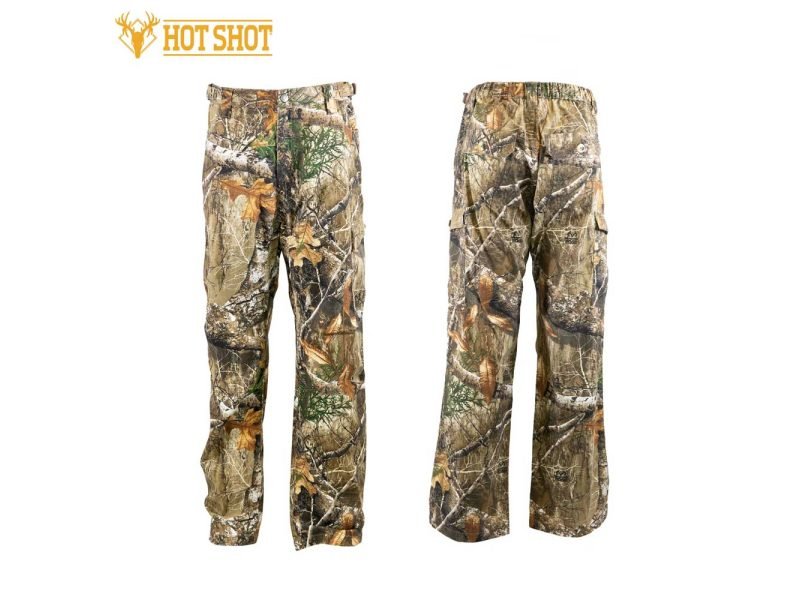
Noise matters more than many hunters think. Stiff synthetic fabrics can rustle with every step, and velcro tearing open in a quiet hide will flare birds. Test your clothes at home: sit, raise an imaginary gun and listen. The Hot Shot Realtree Edge performance pant is a good example of a quiet trouser: it uses a burr-proof 57% cotton, 41% polyester and 2% spandex fabric with two-way stretch and six pockets.
Fit and Movement
Hunting clothes should let you mount a shotgun cleanly, kneel, climb a canal bank and cross a field boundary without pulling tight. Check these points when trying clothes on:
- Raise both arms and shoulder a gun. The jacket should not ride up or bind at the armpit.
- Squat fully. Trousers should not pinch at the knees or the seat.
- Leave room for a mid layer under winter outerwear.
- Many imported hunting brands use US sizing, which usually runs larger than local sizes.
Vests and Pockets for Upland, Dove and Partridge Hunting
Upland hunting for grey and black partridge, quail and dove means walking, often through thorny scrub and crop edges. Here, protection and carrying capacity matter more than full camouflage. The Just Hunters Upland Pants in Field Tan are water resistant and designed to protect your legs from bushes and thorny cover, in a tan colour that suits dry fields.
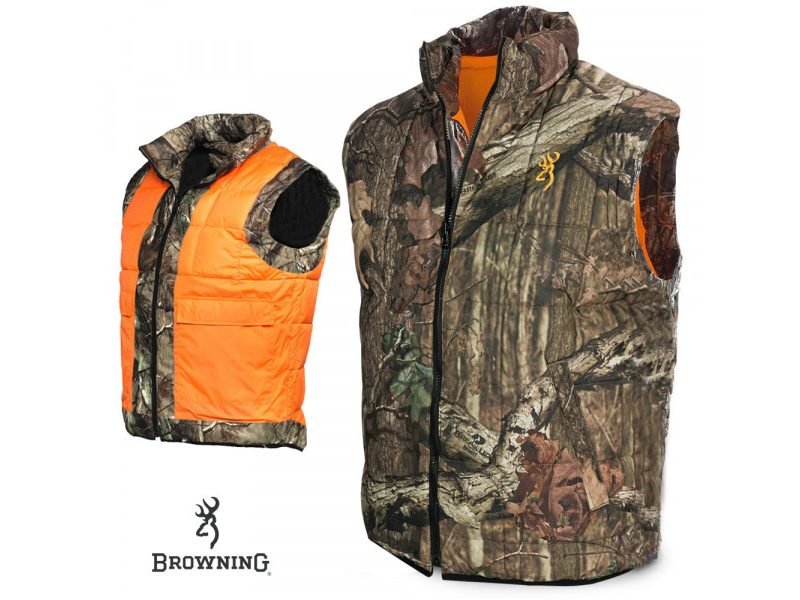
A vest keeps cartridges, water and birds within reach without a heavy jacket. The Upland Hunting Tactical Strap Vest is made from 100% cotton canvas, with two extra-deep shell pockets, two bottle holders and a wide game bag, which is useful on long walked-up days with a dog. For cold mornings, the Browning Mossy Oak reversible vest has Mossy Oak Infinity camo on one side and blaze orange on the other, with high-loft synthetic insulation and four pockets. You can browse more options in the hunting vest collection and the upland hunting clothing range.
Hats, Gloves and Face Cover
Your face and hands are the brightest, most moving parts of your body, so covering them pays off.
- Caps: A peaked camo cap shades your eyes and hides your forehead. In winter, the Mossy Oak reversible fleece-lined beanie keeps head and ears warm, with camo on one side and plain knit on the other. See more in the camo and jungle hats category.
- Face cover: The mesh camouflage scarf and face veil is a breathable cotton and synthetic mesh in a Tree Leaf pattern, about 160 x 45 cm, which can be worn around the neck or folded over the face. For duck blinds, the Drake Waterfowl Realtree fleece face mask is a lightweight micro-fleece mask with tailored eye and mouth openings that leave room for calling.
- Gloves: Choose thin, dark or camo gloves that let you feel the trigger and safety.
Footwear and Boots
Wrong boots end hunts early. Think about three things: water, support and terrain.
- Waterproofing: Dew-soaked wheat, canal banks and marsh edges will soak ordinary shoes within minutes. A waterproof boot is worth it for most winter hunting in Punjab and Sindh.
- Ankle support: Ploughed fields, rocky Salt Range slopes and Balochistan's stony ground are hard on ankles. A higher boot with a firm lace-up fit helps.
- Insulation: Insulated boots suit cold, still mornings in a hide. For long walks in milder weather, a non-insulated boot keeps feet cooler.
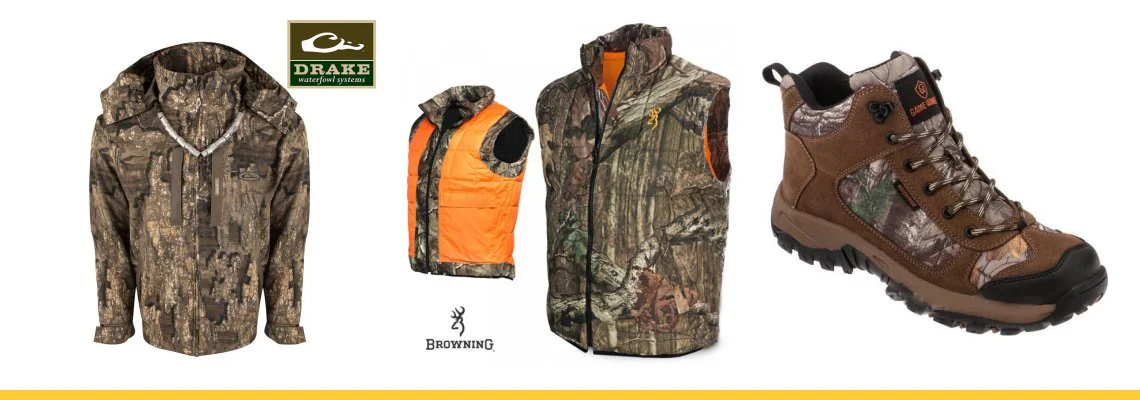
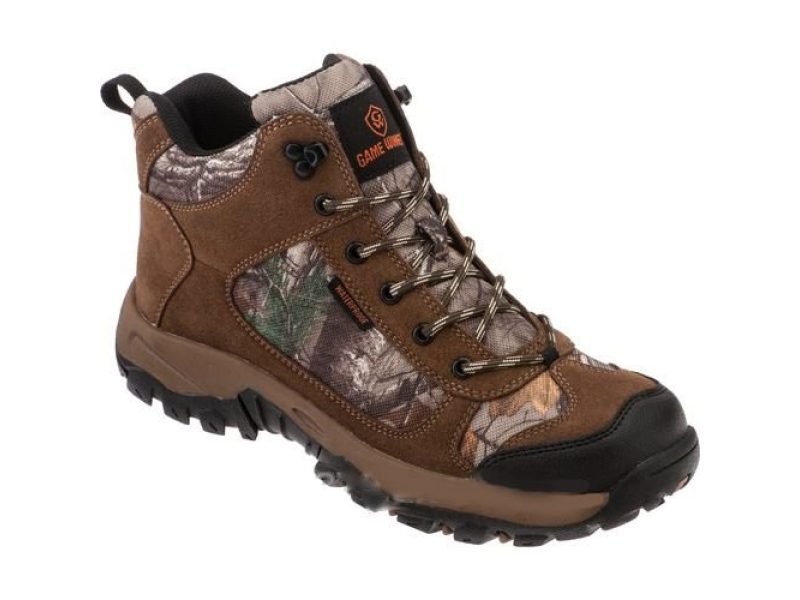
The Game Winner Run N Gun IV waterproof Realtree boots use moisture-resistant suede with 900-denier nylon inserts, a Dura-Proof waterproof membrane and a lugged outsole. They are non-insulated, which makes them a good choice for walking upland and for wet, humid days. For cold mornings, the TOMITANY waterproof camo winter boot has a warm plush lining and a rubber outsole. Pair any boot with moisture-wicking socks and break new boots in before the season. If you are in Lahore, it is worth trying boots on with your hunting socks at the Just Hunters shop in Gulberg; otherwise, browse the footwear section and check each size guide carefully.
Clothing for Duck and Wetland Hunting
Duck hunting on Punjab's jheels or Sindh's lakes is the toughest test for clothing: you sit still in cold, damp air, often surrounded by water and dark reeds. The priorities are simple:
- Stay dry. Wet clothing pulls heat from your body very quickly. Waterproof outerwear and waterproof boots or waders are the foundation.
- Stay warm while still. Wear more insulation than you would for walking, and add a beanie.
- Go dark. Reed and timber patterns in browns and dark tones blend best into dead vegetation and shadowed hides.
- Cover your face. Ducks circling overhead easily see upturned faces. A face mask or veil is one of the most effective items you can add.
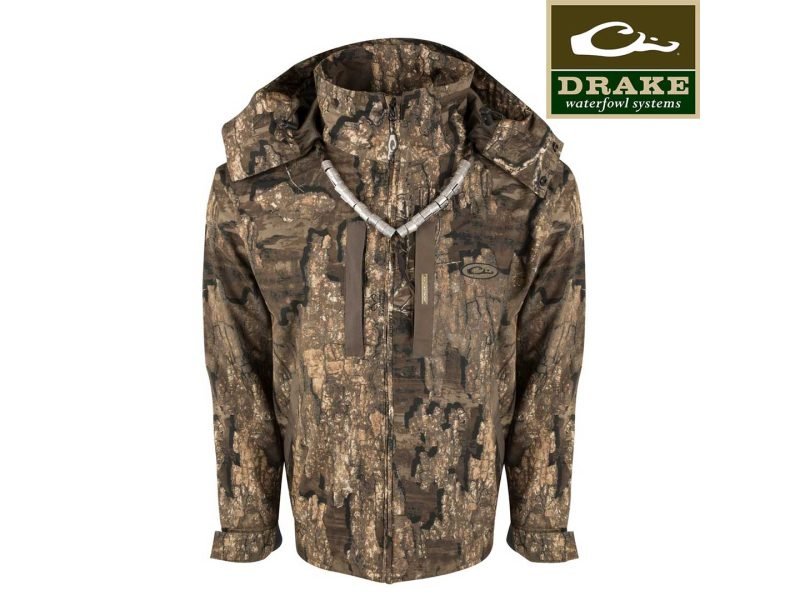
The Drake EST Heat Escape waterproof jacket is built for this work. It is waterproof and windproof with taped seams, in Realtree Timber camo, and has underarm Heat Escape vents, a chest call pocket and adjustable neoprene cuffs. It is a lightweight shell, so add a fleece underneath on cold mornings.
Safety and Visibility: Blaze Orange
Camouflage hides you from birds, but it also hides you from other hunters. In group hunts, especially walked-up partridge drives where several guns move through cane or scrub together, wearing blaze orange where appropriate helps everyone keep track of each other.
- The Mossy Oak Staghorn Creek blaze upland T-shirt in 100% polyester is an easy way to stay visible in warm weather.
- A reversible camo/blaze vest lets you stay hidden in the hide and switch to blaze when walking out, retrieving birds or crossing open ground.
- Agree on shooting lanes before the drive, never swing through another hunter's position, and always know where your partners are.
Scent and Washing Tips
Scent matters most for animals such as wild boar and deer; most birds rely mainly on sight. Still, clean clothing helps on any outing.
- Wash hunting clothes in plain, unscented detergent and skip fabric softener.
- Do not wear your hunting layers while cooking, smoking or refuelling the vehicle. Change at the hunting site if you can.
- Store washed clothes in a sealed bag or box.
- Scent-control fabrics such as SCENTINEL help reduce odour, but no garment eliminates scent completely, so keep the wind in your face when stalking.
Care and Storage
- Rinse mud and marsh water off as soon as you get home; dried mud wears fabric and seams.
- Dry clothes and boots in the shade. Strong sun fades camo patterns and can crack leather and rubber.
- Never dry boots next to a heater. Stuff them with newspaper and let them dry slowly.
- Store everything clean and fully dry, away from damp and insects, through the hot summer months.
Seasonal Packing Checklist
Early season and warm days
- Lightweight poly-cotton or polyester camo shirt
- Breathable cap and mesh face veil
- Quiet stretch trousers or brush-resistant upland pants
- Strap vest with water bottles
- Non-insulated boots and wicking socks
- Blaze item for group hunts
Mid-winter dawn hunts (Punjab and Sindh)
- Wicking long-sleeve base layer
- Fleece trouser and insulated vest
- Waterproof, windproof jacket
- Beanie, thin gloves and face mask
- Waterproof, warm-lined boots and spare socks
- Dry bag with a change of clothes for the drive home
Hills and desert trips
- Pattern matched to the ground: tree and brush for hills, tan and sand for desert
- Extra warm layer for cold desert nights and northern mornings
- Supportive, broken-in boots for rocky ground
- Peaked or wide-brimmed cap for sun
Before you go: check the open seasons for your province and species. Our hunting season in Pakistan guide is a useful starting point, and our article on hunting in Pakistan's terrain and traditions covers the wider picture. Always follow your provincial wildlife department's rules, carry the required licences and respect bag limits and protected species.
Frequently Asked Questions
Do I really need camouflage for partridge and dove hunting?
Not always. For walked-up partridge hunting, earth tones plus blaze for safety are often enough. For dove and pigeon shooting from a fixed spot, camo and face cover do help, because the birds fly towards you and notice movement and pale faces.
Which camo pattern is best for Punjab?
For mixed scrub, field edges and canal banks, a versatile brush pattern in browns and greens works well. For duck hides in reeds, choose darker timber or reed patterns. For dry stubble and desert areas, tan and sand tones blend better.
Is cotton bad for hunting clothes?
Cotton is comfortable and quiet in dry, warm weather. The problem is that it holds water and sweat, which makes you cold on winter mornings. Use polyester or blended base layers for cold or active hunts.
How many layers should I wear for a winter duck shoot?
Usually three: a wicking base layer, a fleece or insulated mid layer and a waterproof outer shell, plus a beanie, gloves and waterproof boots. Because you sit still for long periods, wear more insulation than you would for walking.
Are waterproof boots necessary?
For most winter hunting in Punjab and Sindh, yes. Morning dew in crops and wet canal banks soak ordinary shoes quickly. In dry desert or rocky hill terrain, ankle support and grip matter more than full waterproofing.
When should I wear blaze orange?
Wear blaze in group hunts and drives where other guns are moving around you, and when walking to and from a hide in poor light. It is generally not worn inside duck hides, where staying hidden from wary waterfowl is the priority.
Final Thoughts
Good hunting clothing is not about looking the part. It is about staying hidden, warm, dry and safe for the whole day so you can concentrate on the hunt. Match your pattern to your ground, dress in layers, protect your feet and face, and keep your clothing clean and well stored. If you want help choosing, visit Just Hunters in Gulberg, Lahore, or browse our men's hunting clothing online, with cash on delivery available across Pakistan.